The desire to expand your recreational life—to find fellow runners, badminton partners, or book readers in your neighbourhood—comes with a natural, healthy caution.
When joining any group activity where you do not know all the participants, feeling comfortable is not an afterthought; it is the prerequisite for having a good time. No online platform or verification badge can honestly guarantee safety. Real-world social life always involves people, and people are varied.
However, thoughtful planning, open public settings, and clear boundaries dramatically reduce uncertainty. Whether you are hosting your first local photo walk or attending a neighbourhood workout as a newcomer, here is a grounded framework for safer community activities.
Product controls and public settings can reduce uncertainty, and a few simple habits help too.
1. Choose Open, Public, and Well-Trafficked Venues
For any initial gathering of people who have not met before, the physical setting should provide natural social visibility.
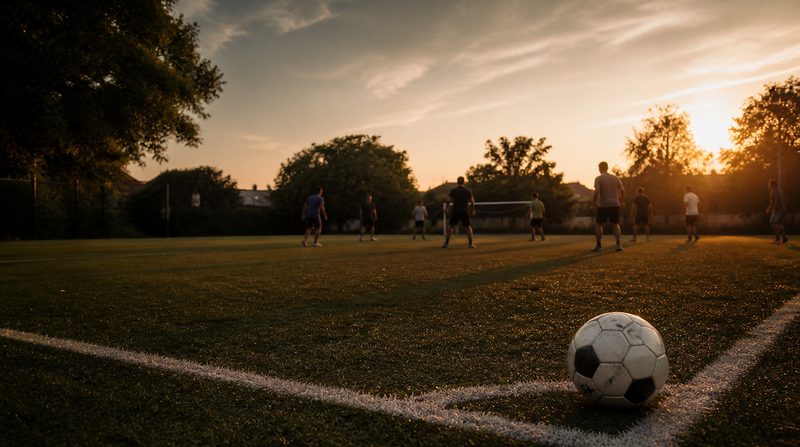
- Public sports grounds and community courts: Open grounds and courts in a park or residential area have defined entry points and regular visitors.
- Popular municipal parks: Public green spaces such as Lodhi Garden, Cubbon Park, or neighbourhood DDA parks during peak morning and evening walking hours.
- Accessible cafés and public libraries: For book clubs, board games, or casual planning sessions, choose venues with comfortable seating and open sightlines.
For a first meeting with people you do not know yet, avoid secluded places and unlit outdoor areas after dark; home gatherings work best once people already know each other. If an outdoor activity like hiking is planned, stick to established, marked trails where mobile signal and regular foot traffic are present.
2. Specific Timing and Exact Landmarks
Vague arrangements create unnecessary vulnerability. A message that says “meet near the park entrance around 7 AM” forces people to loiter alone, looking around awkwardly and wondering who they are supposed to greet.
Strong organizers provide precise coordination:
- The exact spot: “Gate 2 ticket kiosk, directly opposite the coffee stall.”
- The exact timeline: “Gathering from 7:00 AM to 7:15 AM; walking begins promptly at 7:15 AM; concluding at the main lawn by 8:15 AM.”
- Visual identifiers: “I will be standing near the notice board carrying a blue backpack.”
3. Maintain Transport Independence
When joining a local activity with unfamiliar participants, always arrange your own travel to and from the venue.
While carpooling or sharing cabs is convenient among established friends, it limits your autonomy when meeting new people. Arriving independently via your own vehicle, metro, or rideshare app ensures that you can leave comfortably at any point if the energy feels mismatched or if you have unexpected commitments.
- Share the plan: Let a family member, flatmate, or close friend know where the activity is taking place and roughly when it will conclude.
- Keep phones charged: Ensure your phone has sufficient battery and carry a compact power bank if you are attending longer outdoor activities.
- Preserve personal privacy: You do not need to share your full residential address, workplace details, or social handles until you have built mutual trust.
4. Clear Boundaries and Respectful Etiquette
A hobby group is not a dating venue or an aggressive sales pitch. Participants join to run, play, read, or explore their interests in peace.
Respectful groups share simple, unambiguous norms:
- No unsolicited private messages: Contact within the group should focus on the activity itself. Pressuring fellow participants for private phone numbers or personal meetups is unacceptable.
- Graceful exits: Anyone should feel free to say, “Thanks everyone, I need to head out now,” without having to justify their departure.
- Zero tolerance for harassment: Hosts must be willing to address disruptive, intrusive, or uncomfortable behaviour immediately by removing offending individuals from future sessions.
How AldSocial Supports Participant Comfort
Technology cannot replace common sense, but thoughtful product design can support it. On AldSocial:
- Approval controls: Organizers can review profiles before approving requests to join, preventing unmoderated crowds.
- Clear public venues: Each activity shows its date, time and meeting point before you ask to join.
- Raising a concern: AldSocial does not yet have an in-app report button. For a non-emergency concern, email [email protected] with the activity, the person’s name and what happened, as our safety guidance describes. In an emergency, contact local emergency services first.
By combining platform controls with grounded personal discretion, local communities can stay vibrant, welcoming, and comfortable for everyone involved.