There is an unspoken discomfort familiar to anyone who has tried to meet new people through generic social mixers or networking apps: the feeling of being evaluated.
When you sit directly across from a stranger at a café or bar, the format itself creates tension. You are making unbroken eye contact. Every lull in the conversation feels like a small failure. You find yourself cycling through standard resume questions: “Where do you work?” “How long have you lived here?” “Where did you grow up?”
By the end of forty-five minutes, you may know their employment history, but you have very little sense of who they actually are—and both of you leave feeling socially drained.
The Dynamic of “Side-by-Side” Connection
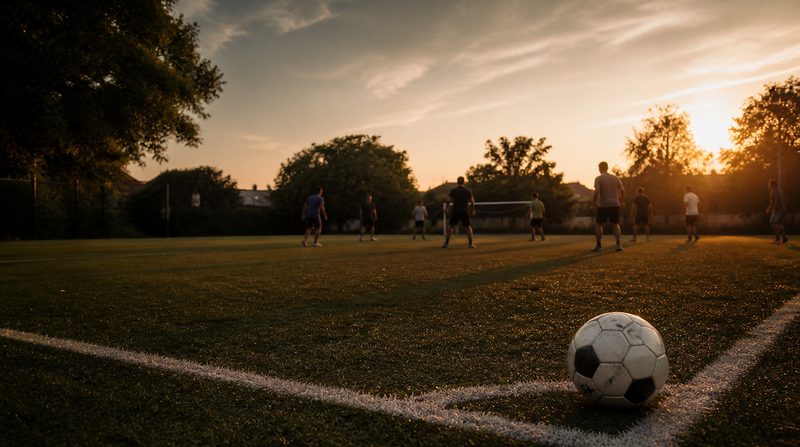
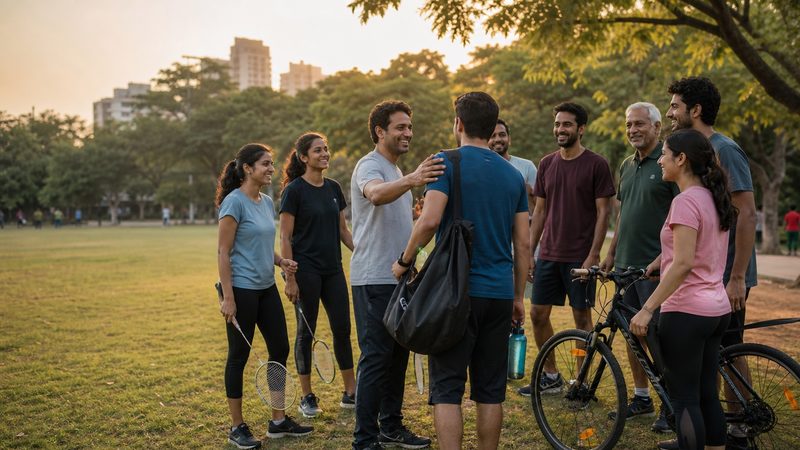
Compare that with meeting someone on a badminton court, on a walking trail, or over a strategy board game.
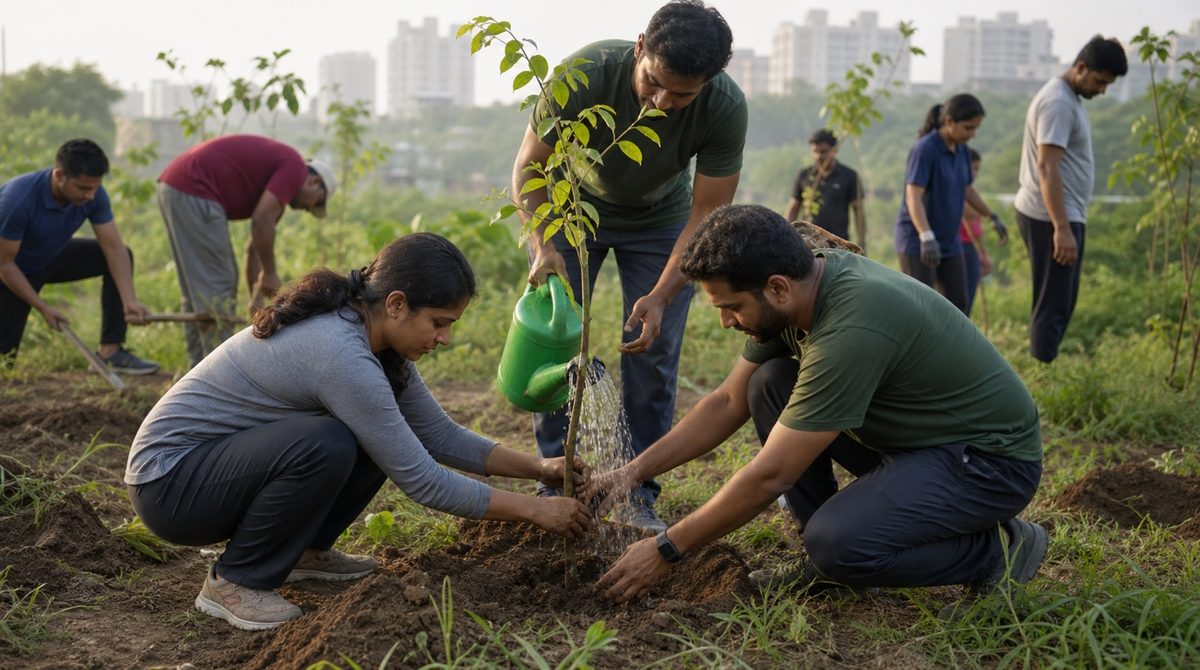
Instead of looking directly at each other, both of you are looking at a third thing: the flight of the shuttlecock, the incline of the trail, the cards on the table, or the frame of a camera.
The activity provides the context. The people make the experience.
This physical arrangement transforms the social dynamic in four crucial ways:
1. Silence Ceases to Be Awkward
When you are cycling up a hill or waiting for your turn in a game, not speaking feels natural. You do not need to fill every second with chatter. The absence of talk is interpreted as focus, not disinterest.
2. Conversation Arises Organically from the Environment
Instead of rehearsed questions, interaction happens in response to what is actually happening in front of you:
- “That court in the corner has great lighting.”
- “Did you see how clear the ridge looks this morning?”
- “That was an unbelievable drop shot.”
These small, immediate observations bypass social posturing and create spontaneous, unforced micro-moments of connection.
3. A Clear, Built-in Endpoint
One of the greatest subconscious anxieties of meeting someone new is exit management: how do you conclude the interaction without awkwardness if there is no natural spark?
An activity has a predefined conclusion: when the game ends, when the trail loop finishes, or when the match wraps up. Both parties shake hands and depart naturally. There is no pressure to prolong the encounter unless both people genuinely want to.
4. Success Is Independent of Social Chemistry
If you meet someone for coffee solely to “make friends” and you don't hit it off, the hour feels wasted.
If you play an hour of tennis or hike through a scenic forest, you still got a great workout and enjoyed your morning—even if your partner remains simply an acquaintance. You walk away satisfied because the activity itself had intrinsic value.
Why Activity-First Gatherings Work
- No performative small talk: Focus is shared on the game, trail, or project.
- Built-in conversation starters: Gear, technique, rules, and mutual environment.
- Comfortable pauses: Silence is absorbed naturally by the activity itself.
- Predictable timing: Fixed start and end times take away the worry about how long to stay.
From Common Interest to Genuine Community
True friendships are rarely born from a single dramatic conversation. They emerge gradually from repeated, low-stakes exposure in shared environments.
When you see someone every Tuesday on the court or every alternate Sunday on the trail, familiarity builds without pressure. Over weeks, you discover mutual senses of humour, shared values, and compatible temperaments. The friendship happens as a byproduct of simply doing what you enjoy.
The AldSocial Philosophy
This is why AldSocial puts the activity first. You do not have to pitch your personality to strangers.
We simply give you a reliable, dignified way to say: “I am doing this on Saturday morning. Anyone who enjoys the same thing can ask to join.”
Connect Through What You Love Doing.
Explore badminton games, running groups, board game meetups, and outdoor walks in your city.
Browse Activities Near You